
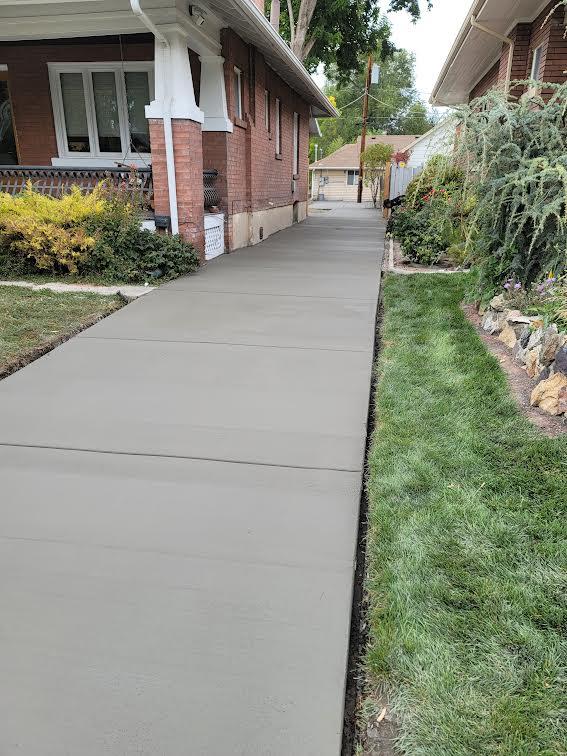
Pickleball Court Concrete Pads in Utah
Utah is one of the fastest-growing pickleball markets in the country. Big Star pours concrete pads purpose-built for backyard pickleball courts — proper dimensions, drainage, and a surface ready for acrylic coating.
4.6—28 Google ReviewsPickleball Is Booming in Utah — Your Backyard Is Next
Utah has more pickleball players per capita than almost any other state. Public courts at parks across the Wasatch Front are packed, and wait times can stretch past 30 minutes during peak hours. That's why more homeowners are putting courts in their own backyards.
The foundation of any great pickleball court is the concrete pad. Get it wrong — too thin, bad slope, poor base prep — and you'll be dealing with cracks and puddles within a few years. Big Star specializes in getting the concrete right so your court plays well and lasts decades.
Court Dimensions and Slab Specifications
A standard pickleball court playing area is 20 x 44 feet. But you need overrun space around all sides for safe play. The minimum total pad size is 30 x 60 feet (1,800 sq ft). The ideal size, which gives you comfortable overrun and room for fencing, is 34 x 64 feet (2,176 sq ft).
For recreational backyard courts, we pour a reinforced concrete slab — minimum 4 inches thick with #4 rebar on 18-inch centers. This is more than adequate for residential play and costs significantly less than post-tension slabs used for competition facilities. The slab gets a precise 1% slope in one direction for drainage — enough to move water off the surface without affecting ball bounce.
Why Base Prep Is Critical in Utah
The Wasatch Front sits on clay-heavy soils that swell when wet and shrink when dry. Without proper base preparation, your pickleball pad will crack, heave, and become unplayable. We excavate below the slab grade, compact the native soil, then install 4 to 6 inches of compacted road base gravel before pouring.
Utah's freeze-thaw cycles are the other major concern. Water that gets under the slab freezes and expands, pushing concrete upward. Our base prep includes proper drainage to keep water from pooling beneath the pad. Control joints are cut at engineered intervals so that any natural concrete movement happens along clean lines rather than random cracks across your court.
Surface Finish and What Happens After the Pour
We apply a smooth broom finish to the slab — ideal for accepting acrylic sport surfacing. The concrete needs to cure for a minimum of 30 days before any surfacing can be applied. This is non-negotiable — if you coat the surface too early, moisture trapped in the concrete will cause the coating to bubble and peel.
After curing, you can hire a sport surfacing company to apply acrylic coating with official pickleball court lines, or use a DIY coating kit. We can also set net post sleeves in the wet concrete during the pour so your net system anchors directly into the slab. Many homeowners add a small stamped or colored concrete patio area adjacent to the court for seating and spectating.
See Our Work
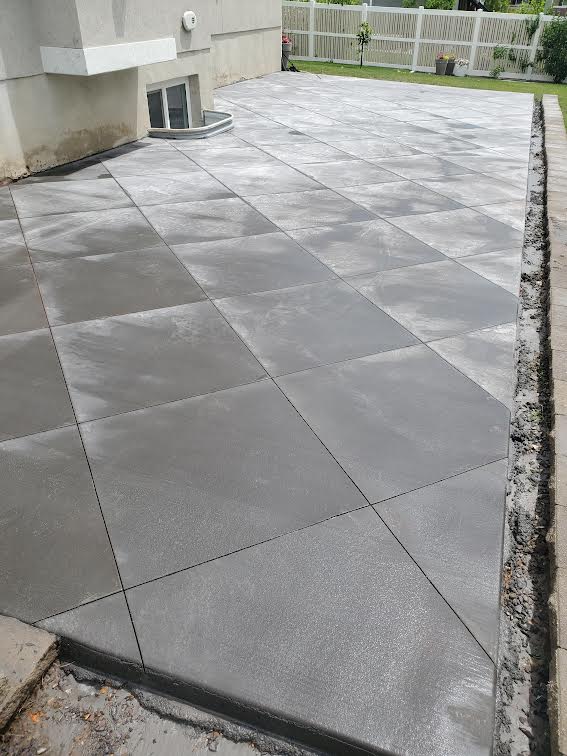
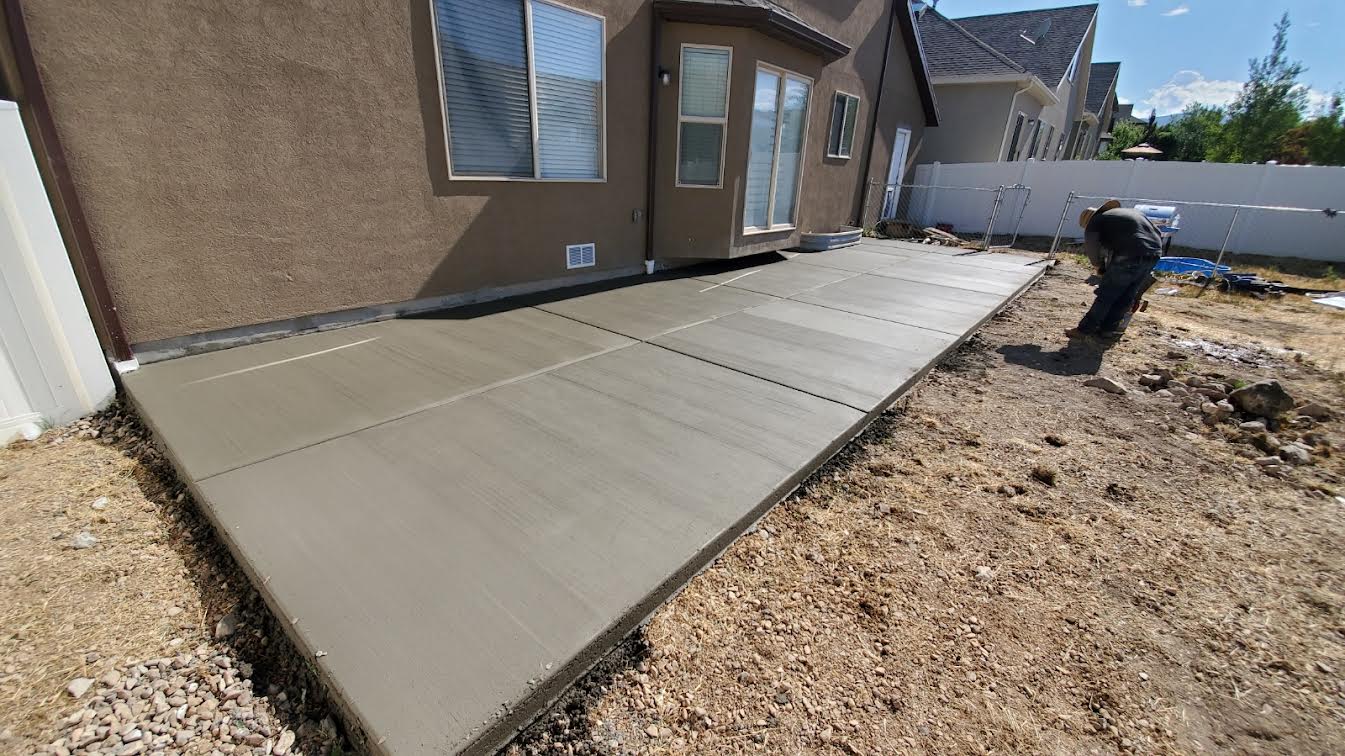
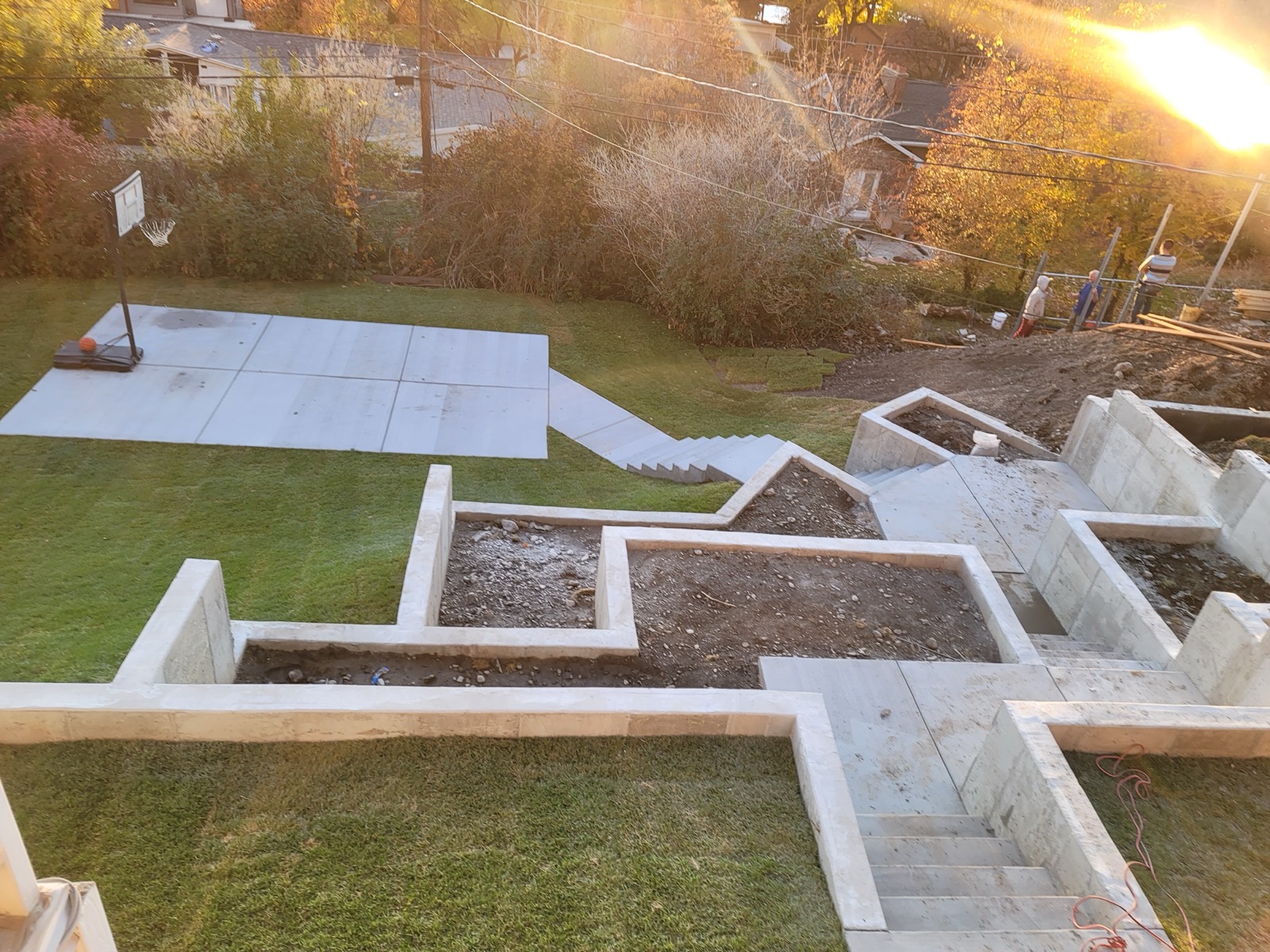
Recent projects from across the Wasatch Front
Ready to Get Started?
Book your free on-site estimate — most quotes delivered same week.
What Our Clients Say
4.6 out of 5 — 28 Google Reviews“They replaced our entire driveway and added a custom walkway. The crew was professional and cleaned up every day before leaving.”
Jason & Emily P. — Provo
“Our basement remodel turned out even better than we imagined. Highly recommend Big Star for any construction project.”
David L. — Sandy
Frequently Asked Questions
What size concrete pad do I need for a pickleball court?
The minimum pad size is 30 x 60 feet (1,800 sq ft), which gives you the 20 x 44 foot playing area plus 5 feet of overrun on each side. The ideal size is 34 x 64 feet (2,176 sq ft) for comfortable play. Larger pads also allow room for fencing posts.
How much does a pickleball court concrete pad cost?
Every pickleball court project is different — pricing depends on pad size, site conditions, soil type, and access. Rather than quoting a generic range, we provide a free on-site estimate tailored to your yard and your goals. Give us a call or fill out our form to get started.
Do I need a post-tension slab for a backyard pickleball court?
No. Post-tension slabs are designed for commercial and competition-level courts. For a residential backyard court, a standard reinforced concrete slab with rebar works great and costs significantly less. We design the slab with proper reinforcement and base prep to handle Utah soil conditions.
How long before I can surface the pickleball court?
The concrete must cure for at least 30 days before acrylic sport surfacing can be applied. Coating too early traps moisture and leads to peeling. We recommend planning your pour so the 30-day cure window falls during warm, dry weather — spring and early fall are ideal in Utah.
Can you install net post sleeves during the pour?
Yes. We can set galvanized net post sleeves directly into the wet concrete at the correct locations so your net system is anchored permanently in the slab. This is stronger and cleaner than surface-mounted post systems.
Explore More Services
Your Project Starts Here
Fill out the form below or call (801) 854-8750 — we'll come to you, measure your space, and have a detailed quote in your hands within days.
Get Your Free Estimate
Book your free on-site estimate — most quotes delivered same week.
Get in Touch
Phone
(801) 854-8750
bigstarconstruction15@gmail.com
Hours
Mon–Sat: 7:00 AM – 6:00 PM
Service Area
Salt Lake County, Utah County & anywhere in Utah
Why Request a Quote?
- 100% free, no-obligation estimate
- Most quotes delivered same week
- 4.6-star rated on Google
- Licensed & insured — your project is protected