
Shed Pads & Concrete Foundations in Utah
Whether you're setting a prefab shed, building a workshop, or pouring a foundation for a backyard ADU, Big Star handles the concrete — monolithic slabs, pier foundations, and full perimeter footings built to code for Utah conditions.
4.6—28 Google ReviewsThe Right Foundation for Your Backyard Structure
Not every shed or backyard structure needs the same type of concrete foundation. A basic storage shed can sit on a simple monolithic slab. A large workshop with heavy equipment might need a thicker slab with additional reinforcement. And a backyard ADU or home office that's heated and plumbed requires a full perimeter foundation that extends below Utah's frost line.
We help you figure out which type you actually need — no overselling, no under-building. The foundation is the one thing you can't fix later without tearing everything down, so it's worth getting right the first time.
Foundation Types We Pour
A monolithic slab is the most common foundation for backyard sheds and workshops. It's a single pour — the footing and floor are all one piece of concrete, typically 4 inches thick in the middle with a thickened edge (8 to 12 inches) around the perimeter. This works for most structures up to about 600 square feet.
For larger buildings or anything with plumbing, we pour a perimeter foundation with separate footings. Along the Wasatch Front, Utah's frost line is 30 to 36 inches deep, meaning footings for habitable structures need to extend below that depth to prevent frost heave. We also install pier foundations when the structure sits on a slope or when you need to keep the floor elevated off the ground.
Permits, ADUs, and Utah Building Codes
Most Utah cities require a building permit for any structure over 200 square feet. If your shed or workshop is under that threshold, you can usually skip the permit — but check with your city's planning department to be sure, especially if you're in a planned community with an HOA.
Utah passed ADU-friendly legislation that makes it easier to build accessory dwelling units — backyard apartments, in-law suites, or rental units — on residential lots. These require full building permits, engineered foundations, and inspections. Big Star pours ADU foundations to code, ready for framing. We've done ADU slabs in Lehi, Draper, Orem, and across Salt Lake County. If you're planning an ADU, get the foundation quoted early — it's one of the first steps in the build process.
Site Work and What to Expect
Every foundation starts with site prep. We excavate to the correct depth, compact the subgrade, and install gravel base as needed. For structures that need utility connections (water, sewer, electrical), we coordinate conduit and pipe placement before the pour so everything is embedded in the slab.
A typical shed pad takes one day to form and pour. Larger foundations for workshops or ADUs take 2 to 3 days. The concrete needs at least 7 days of cure time before you can start setting the structure on it. We handle all the forming, pouring, finishing, and cleanup — you just need to have your building plans ready so we can build the foundation to the right dimensions.
See Our Work
Recent projects from across the Wasatch Front
Ready to Get Started?
Book your free on-site estimate — most quotes delivered same week.
What Our Clients Say
4.6 out of 5 — 28 Google Reviews“We got quotes from five contractors. Big Star was the most detailed and transparent, and their work quality was the best by far.”
Sarah T. — Draper
“They replaced our entire driveway and added a custom walkway. The crew was professional and cleaned up every day before leaving.”
Jason & Emily P. — Provo
Frequently Asked Questions
How thick should a concrete shed pad be?
For a standard backyard shed, 4 inches with a thickened edge of 8 to 12 inches is typical. If you plan to store heavy equipment like a riding mower, ATV, or workshop tools, consider going to 5 or 6 inches with rebar reinforcement.
Do I need a permit for a shed foundation in Utah?
Most Utah cities require a building permit for structures over 200 square feet. Smaller sheds (under 200 sq ft) generally don't need a permit, but check with your local planning department. HOAs may have their own rules regardless of city requirements.
How deep do footings need to be in Utah?
Utah frost line along the Wasatch Front is 30 to 36 inches. Any foundation for a heated or habitable structure (like an ADU or insulated workshop) needs footings that extend below this depth to prevent frost heave. Simple shed pads with thickened edges don't need to go this deep.
Can you pour a foundation on a sloped lot?
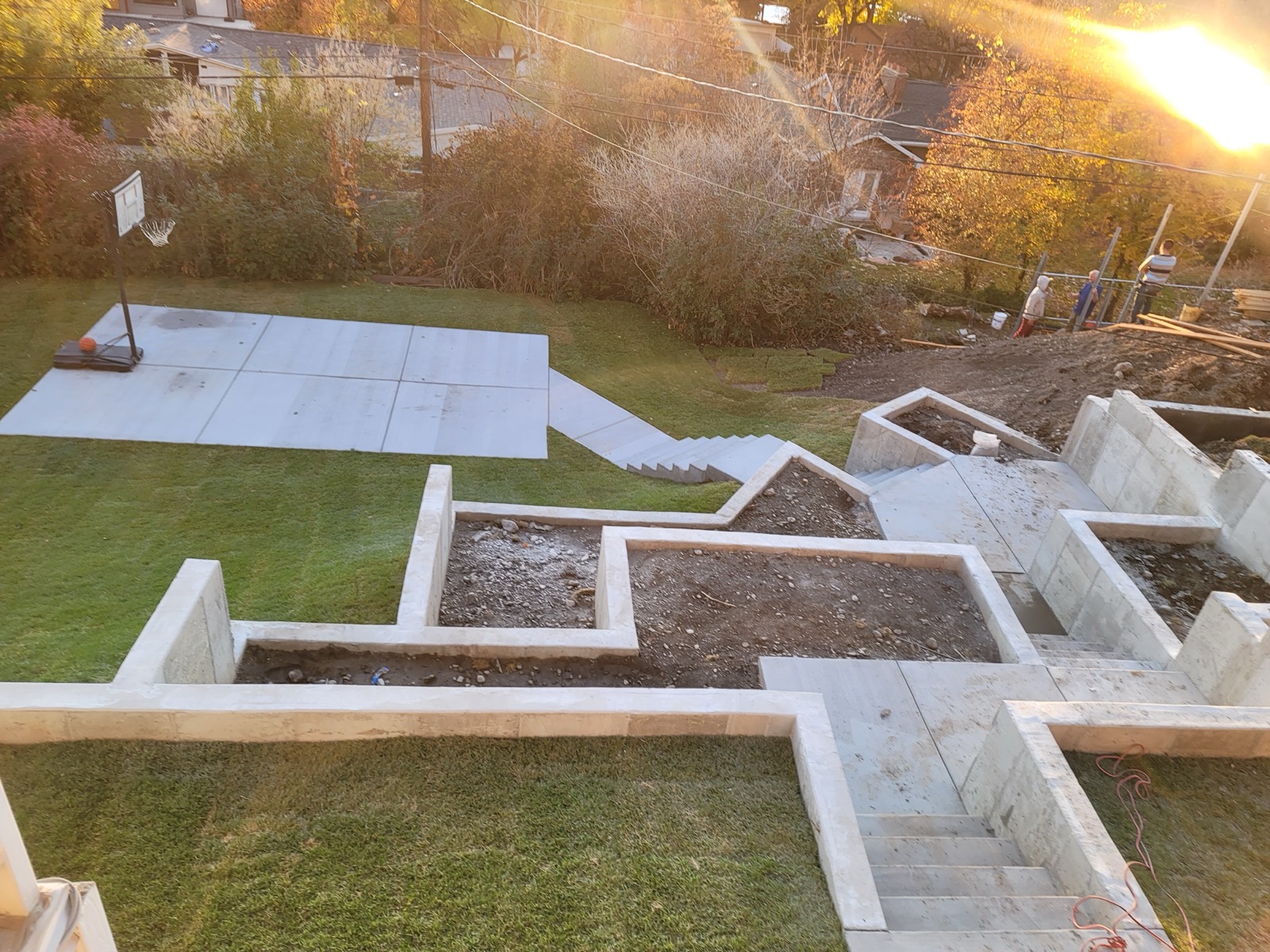
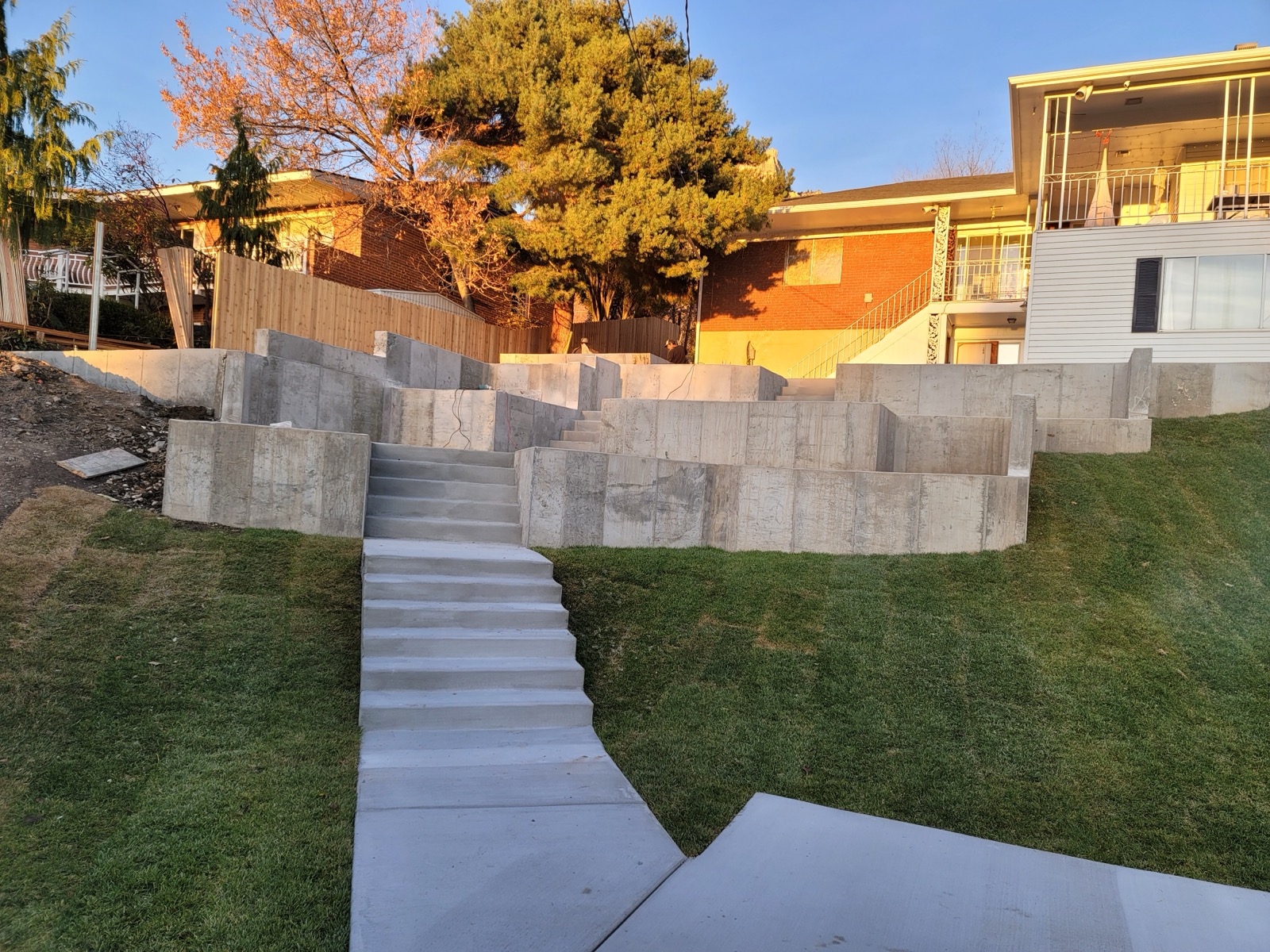
Yes. We regularly pour foundations on sloped yards using stepped footings, retaining edges, or pier foundations. During your free estimate we assess the slope and recommend the most cost-effective approach.
How long before I can put my shed on the pad?
Wait at least 7 days for the concrete to reach adequate strength before placing any structure on it. For larger buildings or ADUs, the framing contractor typically begins after the concrete has cured for 7 to 10 days and has been inspected if required by your permit.
Explore More Services
Your Project Starts Here
Fill out the form below or call (801) 854-8750 — we'll come to you, measure your space, and have a detailed quote in your hands within days.
Get Your Free Estimate
Book your free on-site estimate — most quotes delivered same week.
Get in Touch
Phone
(801) 854-8750
bigstarconstruction15@gmail.com
Hours
Mon–Sat: 7:00 AM – 6:00 PM
Service Area
Salt Lake County, Utah County & anywhere in Utah
Why Request a Quote?
- 100% free, no-obligation estimate
- Most quotes delivered same week
- 4.6-star rated on Google
- Licensed & insured — your project is protected